
Quick Guide to Setting Up Your Brazilian Jiu-Jitsu Academy
Setting up your Brazilian Jiu-Jitsu academy requires careful planning, from choosing the right location to promoting your space. Here’s a quick guide with the key steps to help you structure your business:
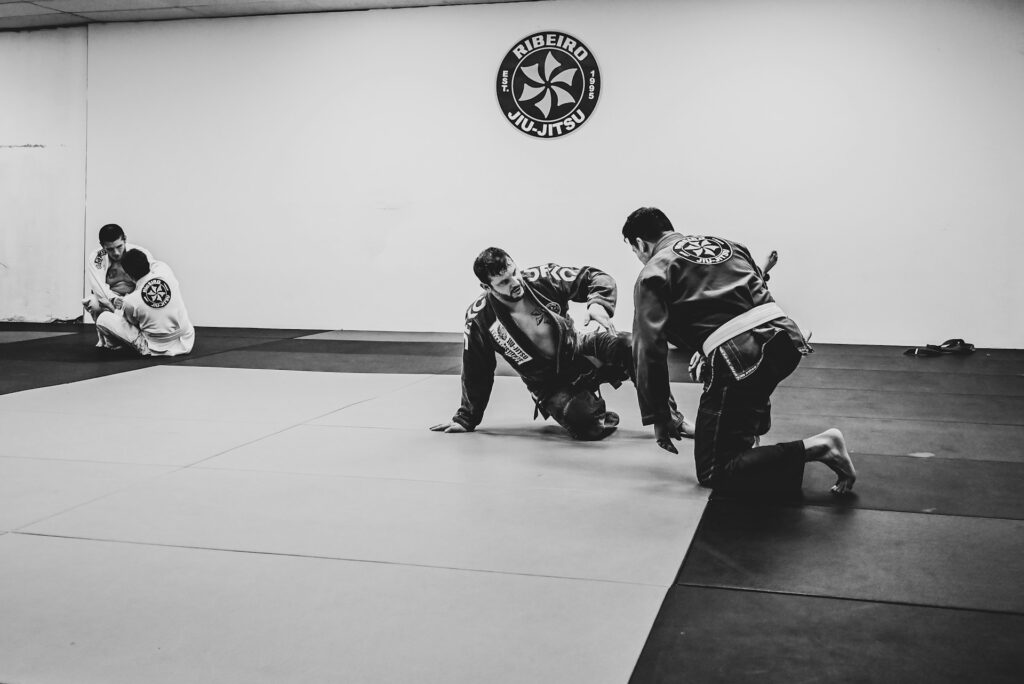
1. Initial Planning
- Market Research: Evaluate the local demand for Jiu-Jitsu and combat sports. Identify competitors, understand your target audience (age, skill level), and analyze what they look for in training and facilities.
- Business Model Definition: Decide whether your academy will focus on a specific audience (children, adults, competitors) or cater to all skill levels and ages. Consider offering additional classes, such as no-gi (without gi), self-defense, or other martial arts.
- Financial Plan: Estimate initial costs (equipment, rent, renovations), monthly expenses (salaries, maintenance), and revenue projections based on expected student numbers. Assess whether an initial investment or financing is necessary.
2. Location and Structure
- Choosing the Location: Look for a space that is easily accessible to your target audience, with parking or proximity to public transportation. The size should accommodate at least a 50m² mat or more, depending on class sizes.
- Structure and Equipment:
- Mats: Essential for training, they should be high quality and at least 30mm thick for safety.
- Changing Rooms: With showers and lockers.
- Reception and Waiting Area: A comfortable space for students and visitors.
- Additional Equipment: Such as punching bags, weights, ropes, and other training tools.
3. Staff
- Qualified Instructors: Hire experienced Brazilian Jiu-Jitsu instructors, preferably black belts with competition experience. Determine the number of instructors needed based on class demand.
- Administrative Support: A receptionist or academy manager is essential for handling enrollments, payments, scheduling, and other operational tasks.
4. Business Legalization
- Business Registration: Officially register your academy and obtain all necessary licenses to operate, such as a business tax ID, operating permits, and local regulatory requirements.
- Insurance: Consider liability insurance to cover potential accidents during training.
- Contracts and Internal Regulations: Create clear student contracts outlining academy rules, responsibilities, and cancellation policies.
5. Promotion and Marketing
- Brand Creation: Develop a strong visual identity with a logo that represents your academy. Offer personalized uniforms (gi) for students.
- Online Presence: Create a professional website with academy information, schedules, pricing, and an online registration section. Use social media to promote classes, events, and student success stories.
- Local Partnerships: Collaborate with other academies or local businesses, such as sports equipment stores or nutritionists.
6. Management and Growth
- Student and Class Management: Use MartialWave to track student attendance, payments, and scheduling.
- Events and Competitions: Organize seminars, in-house tournaments, and events to attract new students and keep current ones engaged.
- Feedback and Adjustments: Always listen to your students and make necessary adjustments to classes, facilities, and organization.
This quick guide to setting up your Brazilian Jiu-Jitsu academy provides an overview of what’s needed to turn your dream into reality—from planning to operation and promotion. But remember: always consult an accountant and check your local regulations!
Frequently Asked Questions (FAQ)
Initial planning requires conducting market research to evaluate local demand and competition, defining a clear business model (identifying your target audience and class offerings), and creating a comprehensive financial plan that accounts for initial investments, equipment, rent, and monthly expenses.
You need a space that is easily accessible and large enough to accommodate at least a 50m² mat area. Essential equipment includes high-quality mats (at least 30mm thick for safety), changing rooms with showers and lockers, a reception/waiting area, and supplementary training gear such as punching bags, weights, and ropes.
Opening an academy requires official business registration, obtaining local operating permits and tax IDs, securing liability insurance to cover potential training accidents, and drafting clear student contracts detailing academy rules, responsibilities, and cancellation policies.
Effective promotion involves building a strong brand identity with a custom logo and personalized uniforms, establishing a professional website with schedules and online registration, utilizing social media to share student success stories and event updates, and forming local partnerships with complementary businesses.
Proper management ensures long-term retention and smooth daily operations. Utilizing management platforms like MartialWave allows academy owners to efficiently track student attendance, handle payments, manage class schedules, organize in-house tournaments, and gather direct student feedback.